
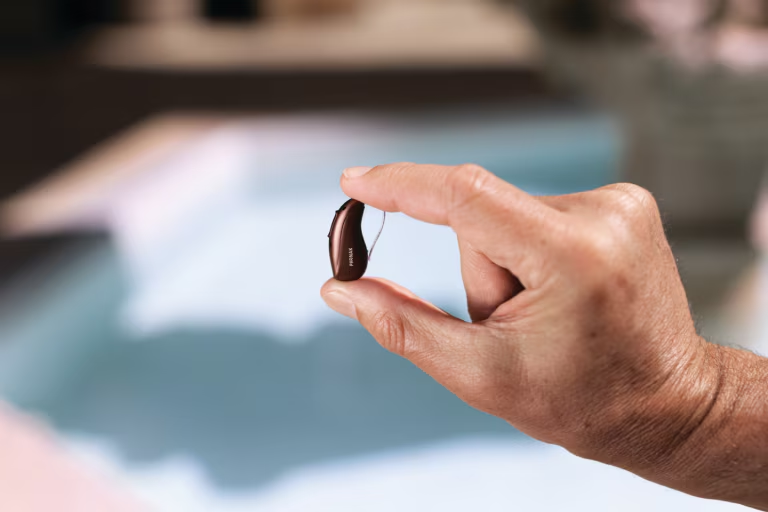
Living with hearing aids brings freedom, but it also prompts questions regarding the internal power source. Most people expect these small devices to work flawlessly from morning until night without interruptions. Generally, a single charge provides between twenty and thirty hours of continuous use, depending on the specific model and features used throughout the day.
This shift toward built-in power has changed how individuals interact with their devices, removing the need for tiny disposable cells. Understanding the factors that influence this daily cycle helps users maintain realistic expectations for their personal hearing health.
Expected Daily Runtime for Your Devices
Modern devices typically provide a full day of use after a standard charging cycle. This usually means about twenty-four hours of power if the user does not spend significant time streaming audio from a phone or television. Heavy usage of wireless features often reduces this window to roughly sixteen or eighteen hours because data transmission requires more energy.
Most users find that placing the devices in the charger overnight ensures they are ready for the next morning. This routine mirrors how people handle smartphones, making it an easy habit to adopt for consistent performance.
Long-Term Health of the Internal Cell
Beyond the daily charge, the internal power cell has a total life expectancy of several years. Most of these components remain efficient for about four to five years before the capacity begins to fade noticeably. Once the cell reaches the end of its functional life, the manufacturer usually replaces the entire component during a standard service appointment.
It is rare for the power source to fail suddenly without showing signs of diminished capacity over several months. Taking proper care of the devices ensures that this internal part lasts as long as the exterior casing.
Environmental Factors Impacting Charge
Extreme temperatures play a silent role in how well a power cell holds energy throughout the day. Very cold weather can cause the chemical reactions inside to slow down, leading to a faster drain than usual. Conversely, excessive heat can damage the internal structure and shorten the overall lifespan of the device if left in a hot car.
Storing the charger in a room with a stable, moderate temperature helps maintain the integrity of the power system. This simple step prevents unnecessary strain on the delicate electronic components that keep the world sounding sharp.
The Impact of Advanced Feature Usage
The way someone uses their hearing aids directly affects how many hours of power remain by bedtime. Features like directional microphones and advanced noise reduction systems require the internal processor to work harder, which consumes more energy. Streaming music or taking phone calls directly through the devices creates the highest demand on the power source.
Users who frequently engage in these activities might notice low battery warnings earlier in the evening than those who do not use wireless connections. Balancing these high-energy tasks ensures that the power lasts through your most important social events.
Signs the Power Source Is Diminishing
Individuals might notice that their devices no longer make it through a full day of activity after a few years. This gradual decline usually manifests as a need for a midday boost or a warning light appearing earlier than it once did. Sometimes the charging process itself takes longer than it used to when the devices were brand new.
If the power seems to drop off rapidly after only a few hours of use, it indicates the internal cell is approaching the end of its cycle. Addressing changes early prevents losing sound during conversations.
Taking Next Steps for Power Efficiency
Maintaining a reliable connection to the world of sound requires a well-functioning power system. If your current devices seem to lose their charge too quickly, scheduling a professional checkup can provide clarity on the health of the internal cells.
A hearing health professional can run diagnostics to determine if the power source needs a replacement or if a software update might improve efficiency. Keeping the charging contacts clean and dry also ensures that the energy transfer remains consistent and effective every night. Contact us for a performance audit.

First Coast Audiology and First Coast Brain Builders